
Load cell pedals can make braking feel more precise, but the wrong footwear may reduce comfort and make consistent pressure harder to judge. Thick running shoes can soften pedal feedback, while socks may feel uncomfortable against stiff or textured brake pedals.
Choosing the best sim racing shoes for load cell pedals means finding the right balance between sole thickness, grip, flexibility, and foot support.
In this 2026 guide, we compare three footwear options for sim racing, explain what matters when using load cell brakes, and help you decide whether dedicated racing shoes are worth buying.
Affiliate Disclosure:
As an Amazon Associate, we earn from qualifying purchases. Some links in this article are paid links. Product descriptions are based on publicly available information rather than independent hands-on testing.
Quick Comparison: Best Shoes for Load Cell Pedals
These three options serve different needs, from minimalist indoor sim racing to everyday footwear and karting-style shoes.
| Shoe | Main Benefit | Best For |
|---|---|---|
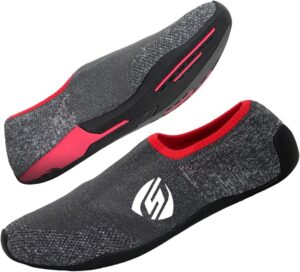
| STRASSE Sim Racing Shoes | Thin, flexible construction | Dedicated indoor sim racing |
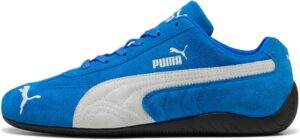
| PUMA Speedcat OG | Low-profile motorsport-inspired design | Sim racing and everyday wear |
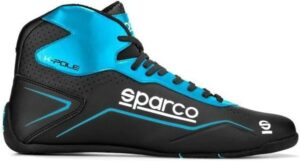
| Sparco K-Pole Karting Shoes | Driving-oriented shape and coverage | Drivers wanting more structure |
3 Best Sim Racing Shoe Options Worth Comparing
Below are three footwear styles worth considering for load cell pedals. Each option has different advantages depending on brake stiffness, pedal surface, and personal comfort.
Why Load Cell Pedals Change Your Footwear Needs
Traditional position-sensing brake pedals primarily respond to pedal movement. Load cell brakes measure the force applied to the pedal, making consistent pressure an important part of braking technique.
Footwear affects the contact between your foot and the pedal surface. Thick cushioning can change how pressure feels, while very thin materials may expose your foot to uncomfortable pressure during heavy braking.
The ideal shoe depends on your brake stiffness, seating position, pedal face, and personal preference.
What to Look for in Sim Racing Shoes for Load Cell Pedals
1. Thin and Predictable Sole
A relatively thin sole can help maintain a clear sensation of pedal resistance. However, shoes that provide too little support may become uncomfortable with high braking forces.
Choose a sole that balances pedal feedback with comfort.
2. Reliable Pedal Grip
Grip matters when moving repeatedly between the throttle and brake. Shoes should provide controlled contact without making foot repositioning difficult.
Pedal surfaces vary from smooth metal to textured plates, so grip requirements are not identical for every setup.
3. Comfortable Heel Support
Stable heel positioning can help with repeated pedal movements. Check whether the shoe allows natural ankle motion without discomfort.
4. Compact Shape
Closely spaced throttle, brake, and clutch pedals may be easier to operate with less bulky footwear.
Wide running shoes can sometimes contact neighboring pedals, depending on your pedal configuration.
5. Breathability
Long sim racing sessions can cause heat buildup. Lightweight and ventilated footwear may improve comfort, especially in warmer rooms.
Sim Racing Shoes vs Socks vs Running Shoes
There is no single best footwear type for every simulator. Each option offers different advantages.
| Footwear | Advantage | Limitation |
|---|---|---|
| Socks | Direct pedal contact | Limited protection from firm or textured pedals |
| Thin-Sole Sim Shoes | Flexible contact and compact profile | Support varies by model |
| Karting Shoes | Driving-oriented shape and coverage | May feel warm or structured |
| Running Shoes | Familiar cushioning | Can feel bulky and soften pedal feedback |
Do You Need Dedicated Shoes for Load Cell Pedals?
No. Dedicated sim racing shoes are optional.
If your current footwear provides comfortable, consistent braking, there may be no reason to replace it.
However, shoes can be useful if you experience discomfort, slipping, or inconsistent contact with the brake pedal.
Drivers using very stiff load cell brakes may also prefer footwear that distributes pressure more comfortably across the foot.
How to Choose the Right Sim Racing Shoes
- Check your brake resistance. Consider the pressure you normally apply, not just the maximum pedal rating.
- Review your pedal surface. Metal texture and pedal dimensions can affect comfort.
- Measure your foot. Use the manufacturer’s sizing guide.
- Check sole flexibility. A thin sole is not always the most comfortable option for high brake forces.
- Consider ventilation. Lightweight materials may be more pleasant during endurance sessions.
- Check your cockpit ergonomics. Seat distance and pedal angle can be as important as footwear.
For more information about load cell hardware, read our guide to choosing sim racing pedals with load cell technology.
Common Mistakes When Buying Sim Racing Shoes
Choosing Shoes Based Only on Appearance
Racing-inspired styling can be appealing, but fit, sole feel, and comfort matter more during actual simulator use.
Ignoring Pedal Configuration
Even suitable shoes may feel uncomfortable if the brake is positioned too far away or requires excessive pressure.
Buying Without Checking Sizing
Driving shoes and everyday sneakers may use different sizing systems. Check the specific product chart before ordering.
Expecting Automatic Lap-Time Gains
Shoes may improve comfort and contact consistency, but they do not guarantee faster lap times or better braking technique.
Frequently Asked Questions
Are sim racing shoes worth it for load cell pedals?
They can be worthwhile if they improve comfort, grip, or pedal contact. Dedicated shoes are not essential for every sim racer.
Can I use socks with load cell pedals?
Yes. Socks can work if the pedal force and surface are comfortable. Firm metal pedal faces may become uncomfortable during extended sessions.
Are karting shoes good for sim racing?
Some karting shoes work well because of their driving-oriented shape, but sole flexibility, size, and comfort vary between models.
Should sim racing shoes have thin soles?
Thin soles may provide clearer pedal feedback, although high braking forces may require more cushioning or structural support.
Can sim racing shoes improve braking consistency?
A predictable contact surface may help some drivers, but results depend on technique, pedal setup, seating position, and individual preference.
What shoes should beginners use?
Beginners can start with comfortable, low-profile footwear they already own. Dedicated racing shoes become more relevant if grip or comfort becomes a problem.
Final Verdict: Best Sim Racing Shoes for Load Cell Pedals
The best footwear depends on how you use your pedals and what feels comfortable during braking.
STRASSE Sim Racing Shoes are worth considering if you want lightweight, purpose-built simulator footwear.
PUMA Speedcat OG is an alternative for drivers who want a low-profile shoe suitable for both the simulator and everyday wear.
Sparco K-Pole Karting Shoes may appeal to drivers who prefer a more structured motorsport-style design.
Our recommendation: Prioritize comfortable fit, predictable pedal contact, and an appropriate sole rather than choosing shoes based only on price or appearance.
Before purchasing, check the exact product model, sizing, availability, and return policy.
Editorial note: These recommendations are based on product descriptions and general footwear characteristics. No independent hands-on comparative testing is claimed.

My name is David Miller, and I’m a sim racing enthusiast with a passion for realistic driving and smart, affordable setups. I started sim racing years ago with basic gear and a single monitor, and slowly upgraded to better wheels, pedals, and rigs as I learned more about car control, racecraft, and setup tuning.