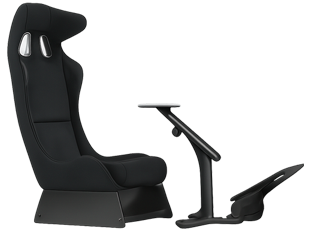

Introduction
Looking for the Best Trak Racer Sim Racing Rig to upgrade your sim setup? This guide compares the most popular Trak Racer cockpit options—especially aluminum profile rigs like the TR80 and TR160—so you can choose the right Trak Racer sim rig for your space, driving style, and hardware. We break down key factors such as rigidity for direct drive wheel mount support, pedal plate adjustability, seat compatibility, monitor mounting, and cable management.
You’ll also find a practical buying checklist, common setup mistakes to avoid, and recommended configurations for beginners and serious racers. Whether you want a compact, budget-friendly frame or a high-end, ultra-stable Trak Racer sim racing rig, this outline helps you build confidently and spend efficiently.
Top products
1. Phone Holder for Sim Rig Aluminum
Best for Sim Racing Enthusiasts
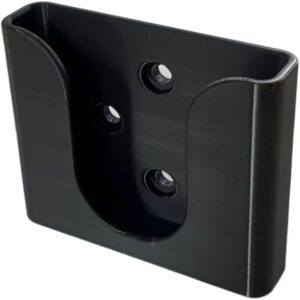
Universal Aluminum Profile Phone Holder Mount for Sim Racing Rig
A premium aluminum phone holder designed specifically for sim racing cockpits. Built with durability and adjustability in mind, it securely mounts your smartphone, allowing racers to use telemetry apps, dashboards, or communication tools while racing.
Key Features
- CNC-machined aluminum construction
- Adjustable clamp for various phone sizes
- 360° rotation and tilt
- Easy mounting on aluminum profile rigs (8020-style)
Pros and Cons
| Pros | Cons |
|---|---|
| Durable aluminum build | Not compatible with non-aluminum rigs |
| Fully adjustable viewing angle | May require tools for initial mounting |
| Sleek, sim-rig-specific design | Can be expensive compared to plastic options |
Specs
| Specification | Details |
|---|---|
| Material | CNC Aluminum |
| Compatibility | Fits most smartphones (up to 7″) |
| Mount Type | 8020 Aluminum Profile |
| Rotation | 360° swivel |
| Color Options | Black, Silver |
At a Glance
A sturdy, adjustable, and sim-rig-friendly phone holder that adds function and style to your racing setup.
2. 10 Pack Cable Management Clips
Best for Cable Organization
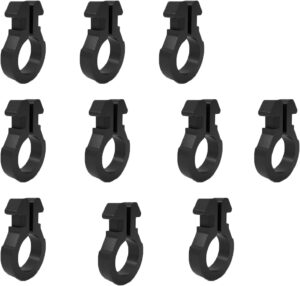
10 Pack Cable Management Clips for Trak Racer TR80 Simulator Rig
Keep your sim rig setup tidy with these adhesive-backed cable clips. Perfect for routing USB, HDMI, and power cables across your rig, preventing tangling and improving both function and appearance.
Key Features
- Strong 3M adhesive backing
- Fits cables up to 6mm thick
- Easy to apply, no tools needed
- Flexible plastic design, reusable
Pros and Cons
| Pros | Cons |
|---|---|
| Keeps cables organized and hidden | Adhesive may weaken over time |
| Simple, tool-free installation | Not ideal for very thick cables |
| Comes in a convenient 10-pack | May leave residue if removed |
Specs
| Specification | Details |
|---|---|
| Material | Plastic + 3M Adhesive |
| Max Cable Size | ~6mm |
| Quantity | 10 Clips |
| Color | Black |
| Mounting Type | Peel-and-stick adhesive |
At a Glance
Affordable and easy-to-use clips to tidy up your cables for a cleaner sim racing rig.
3. Floor Mat XL Racing Floor Mat
Best for Sim Racing Enthusiasts
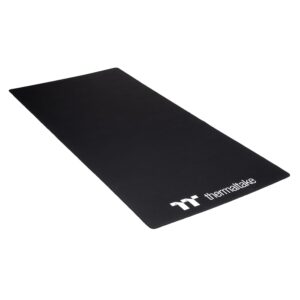
CS-Pro/SV-R, Modular Sim Racing Cockpit Button Box Mount
An extra-large floor mat built for sim racing cockpits. It protects your floor from scratches and absorbs vibrations while also adding a professional look to your rig space.
Key Features
- XL size for full cockpit coverage
- Anti-slip rubber bottom
- Vibration-absorbing top layer
- Machine washable
Pros and Cons
| Pros | Cons |
|---|---|
| Protects floors from wear & tear | May be too large for tight spaces |
| Reduces vibration and noise | Limited style options |
| Easy to clean and maintain | Higher cost than basic mats |
Specs
| Specification | Details |
|---|---|
| Size | ~60″ x 30″ (XL) |
| Material | Polyester top, rubber bottom |
| Anti-Slip | Yes |
| Color | Black or Carbon-look |
| Washable | Yes (machine washable) |
At a Glance
A stylish and functional mat designed to protect your floor and upgrade your sim rig’s appearance.
4. Challenge Racing Simulator Cockpit | Foldable
Ideal for Space-Conscious Racers
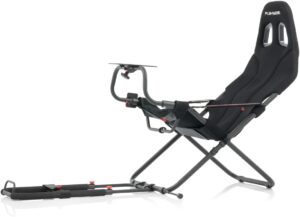
Playseat Challenge Racing Simulator Cockpit
A foldable racing cockpit perfect for those who need a compact sim racing setup without sacrificing ergonomics. Compatible with most wheel bases and pedals, this seat brings serious racing fun without permanent space requirements.
Key Features
- Foldable design for easy storage
- Sturdy steel frame with padded seat
- Compatible with major wheel/pedal brands
- Adjustable seat and pedal positions
Pros and Cons
| Pros | Cons |
|---|---|
| Easily foldable and portable | Less rigid than full-frame rigs |
| Comfortable, ergonomic seat | Not ideal for high-end DD wheels |
| No permanent installation required | Limited customization options |
Specs
| Specification | Details |
|---|---|
| Frame Material | Steel |
| Seat Type | Padded Fabric Racing Seat |
| Foldable | Yes |
| Wheel Compatibility | Logitech, Thrustmaster, Fanatec |
| Max Load | Up to 250 lbs |
At a Glance
A solid choice for racers with limited space who still want a great driving experience at home.
Read more: Best Sim Racing Monitors Review & Test
Buying Guide
Compatibility
-
Confirm wheelbase mounting (front mount, bottom mount, side mount) and torque level.
-
Confirm pedal plate supports your pedals (mounting holes, angle adjustment, heel plate needs).
-
Plan early for shifter/handbrake placement (right/left mounting, strength, reach).
Build Quality
-
For aluminum profile: prioritize profile size, bracket quality, and rigidity at the wheel deck.
-
For tubular: prioritize weld quality, minimal flex at wheel mount/pedal deck, and overall mass.
Adjustability
-
Seat position range (distance/height), pedal angle range, wheel height/tilt, shifter reach.
-
If multiple users share the rig, choose a model that supports fast repositioning.
Space Requirements
-
Measure footprint including seat travel and monitor stand depth.
-
Triple monitors can add significant depth; plan cable routing and access for maintenance.
Features
-
Integrated vs standalone monitor stand (standalone is usually more stable for triples).
-
Cable management paths, accessory ecosystem, motion compatibility (if future upgrade).
Budget
-
Consider total system cost: rig + seat + monitor stand + mounts + accessories.
-
A “cheaper rig” can become expensive if you must replace it after upgrading wheelbase/pedals.
Customer Reviews and Warranty
-
Look for feedback specifically about flex under load, hardware fitment, and assembly support.
-
Favor models with a strong ecosystem and reliable replacement parts availability.
FAQ
1) TR80 vs TR120: should I upgrade?
If you’re moving to stronger direct drive torque, heavy load-cell pedals, or triple monitors, TR120 is usually the safer long-term platform.
2) Do I need a standalone monitor stand?
For triple monitors, yes—standalone tends to reduce vibration and simplify alignment.
3) Tubular vs aluminum profile—what’s the practical difference?
Aluminum profile is generally more modular and upgradeable; tubular often wins on aesthetics and simpler builds, but may be less flexible for future changes.
4) What matters most for “feel” in driving?
Rig stiffness at the wheel mount + pedal deck. Flex reduces fidelity and consistency.
Conclusion
Choosing the best Trak Racer sim racing rig depends on your hardware torque, available space, and how far you plan to upgrade. If you want the best balance for serious sim racing, TR120 is typically the safest all-round choice. If you want maximum long-term durability and a platform that can handle nearly anything, TR160 is the heavy-duty benchmark. For value, TR80 is the entry point into a modular ecosystem, while TR8 Pro and TRX suit racers who prioritize a different mix of aesthetics, comfort, and adjustability.

My name is David Miller, and I’m a sim racing enthusiast with a passion for realistic driving and smart, affordable setups. I started sim racing years ago with basic gear and a single monitor, and slowly upgraded to better wheels, pedals, and rigs as I learned more about car control, racecraft, and setup tuning.