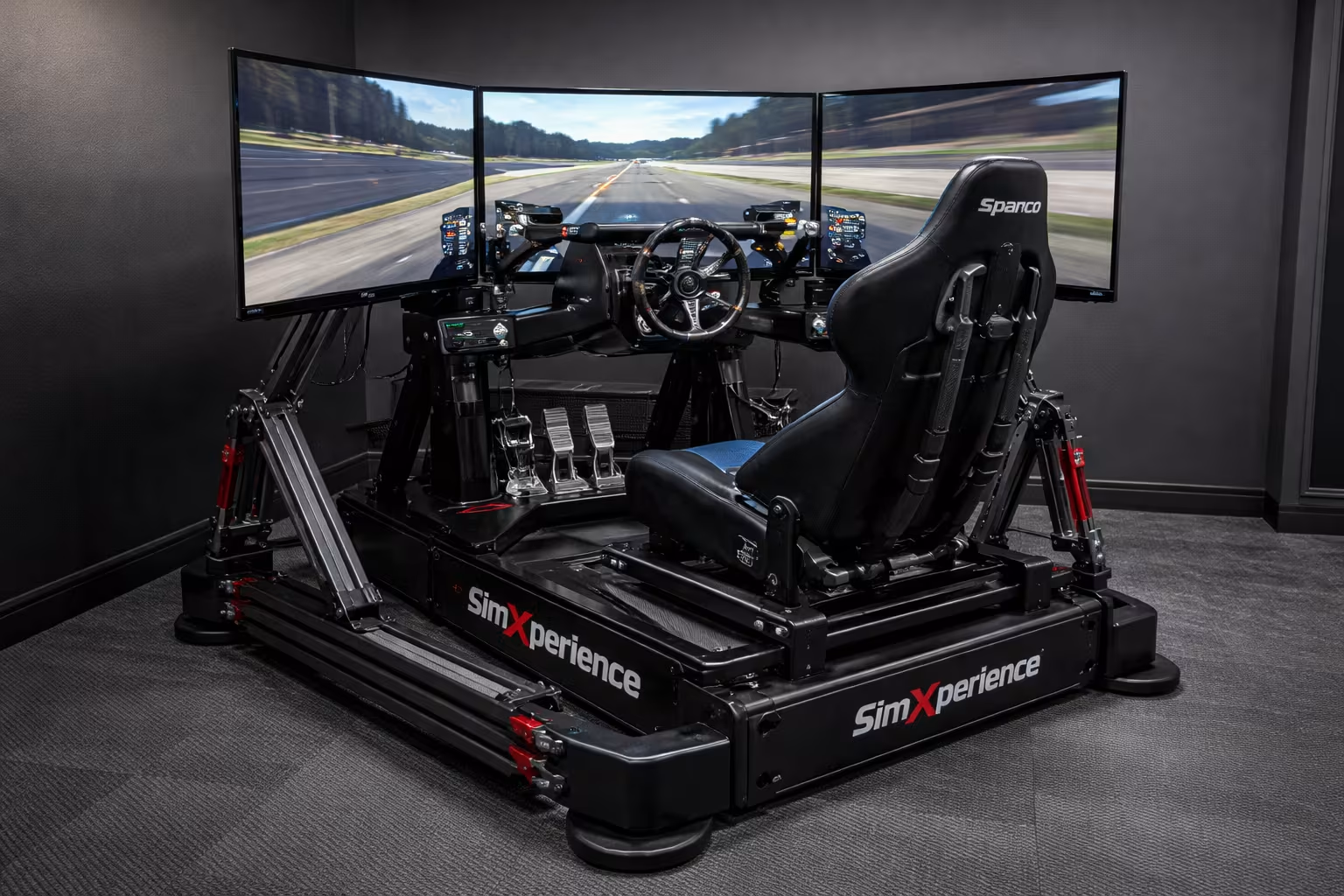
Imagine you are barreling down the Mulsanne Straight at 180 mph. You slam on the brakes, and your Direct Drive wheel kicks back with 13Nm of torque. In this split second, the difference between a personal best and spinning out is the metal holding you up. If your chassis flexes, you lose the detailed road texture sent by the simulation software. This is the reality every serious sim racer faces: your gear is only as good as its foundation.
Enter the Top-Rated Best Simxperience Sim Racing Frame. Whether you are chasing the G-forces of a full Motion Simulation Chassis like the legendary Stage 5, or the rigid precision of the Vertex Rig, choosing the right SimXperience frame is the critical first step toward professional-grade immersion.
1. Top-Rated Best Simxperience Sim Racing Frame
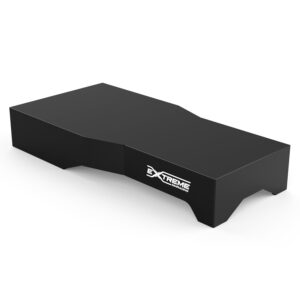
Extreme Simracing FORMULA FX1 COCKPIT Sim Racing Chassis
Elevate your simulator setup with the FX-1 Cockpit Platform—an essential add-on built to enhance usability, stability, and overall presentation. Designed for committed sim racers and enthusiasts, this upgrade delivers a more comfortable, secure, and professional-grade cockpit experience.
The Best Simxperience Sim Racing Frame in review
1. Extreme Simracing FORMULA FX1 COCKPIT Sim
Based on user reviews and technical specifications, here is a detailed breakdown of the Extreme Simracing FORMULA FX1 Cockpit.
This cockpit is designed specifically for those who want a dedicated Formula (F1/Open-Wheel) seating position rather than a standard GT upright position.
Key Features
Formula Seating Position: The primary selling point. It places your feet at or above hip level, mimicking the reclined posture of a real F1 car driver.
Integrated Seat: Comes with a custom bucket seat designed for this specific reclined geometry (often a separate purchase with other rigs).
Tubular Steel Construction: Built from heavy-duty carbon steel tubing rather than aluminum profiles, giving it a unique “roll cage” aesthetic.
Adjustability: Offers adjustments for wheel deck height/angle, pedal plate distance/angle, and seat slider rails.
Mobility: Features integrated caster wheels on the front, allowing you to lift the rear and roll the rig easily.
Compatibility: Pre-drilled for major brands (Logitech, Thrustmaster, Fanatec, Simagic, Moza).
Pros (The Good)
Immersion: Provides one of the most authentic “out-of-the-box” Formula driving positions available without needing complex DIY adjustments.
Value for Money: Generally cheaper than building a full aluminum profile rig plus buying a specialized Formula seat separately.
Aesthetics: The tubular design looks very professional and sleek, resembling a real race car chassis more than the industrial look of 8020 aluminum rigs.
Stability: The chassis is generally rigid enough to handle Direct Drive wheels (up to ~15-20Nm) and Load Cell pedals without significant flex.
Convenience: The inclusion of caster wheels makes it much easier to move around a room compared to heavy static rigs.
Cross
Limited Modularity: The tubular design makes it difficult to mount accessories from other brands (unlike standard aluminum profile rigs).
Seat Comfort: The included seat has relatively thin padding, which can become uncomfortable during long racing sessions.
Paint Durability: The finish is prone to scratching and chipping, particularly around the adjustment points.
Buying Guide
To choose the right SimXperience setup, consider the following critical factors:
Compatibility
SimXperience frames are optimized for their own hardware (like the AccuForce wheel). However, you must check if the mounting plates are pre-drilled for other popular peripherals like Fanatec, Heusinkveld pedals, or third-party shifters.
Build Quality
With this brand, expect industrial-grade steel or high-profile aluminum. The frame must be heavy and rigid enough to eliminate “flex” (unwanted bending) when using high-torque Direct Drive wheels.
Adjustability
A top-tier frame must offer extensive adjustments:
-
Pedal plate angle and distance.
-
Wheel deck height and reach.
-
Seat slider functionality to accommodate drivers of different heights.
Space Requirements
SimXperience systems, especially those with motion, require significant floor space. You must calculate not just the footprint of the rig, but the “safety zone” around it so that when the simulator pitches or slides, it does not hit walls or furniture.
Features
Look for integrated creature comforts: Are there included mounts for triple monitors? Is there a spot for a keyboard and mouse? Does it support tactile transducers (ButtKickers) for added immersion?
Budget
SimXperience operates in the High-End market segment.
-
Budget-conscious: Opt for the Stage 1 DIY Kit and build your own frame around it.
-
Premium: The Stage 5 Turnkey system is a significant investment but offers a professional-grade solution.
Customer Reviews and Warranty
SimXperience has a loyal community and is known for solid US-based support. Always check the warranty terms, specifically regarding the moving parts (actuators), as these are subject to more wear and tear than a static metal frame.
Final Recommendation
Investing in a Best Simxperience Sim Racing Frame is a major step toward professional-grade simulation.
-
For the ultimate experience: If you have the space and the budget, the SimXperience Stage 5 is the gold standard for home motion simulation.
-
For the DIY enthusiast: If you want to customize your rig or start smaller, the Stage 1 Kit is the smartest entry point.
Remember: Measure your gaming room twice! Motion rigs need room to move. Ensure you have adequate clearance before finalizing your purchase.

My name is David Miller, and I’m a sim racing enthusiast with a passion for realistic driving and smart, affordable setups. I started sim racing years ago with basic gear and a single monitor, and slowly upgraded to better wheels, pedals, and rigs as I learned more about car control, racecraft, and setup tuning.